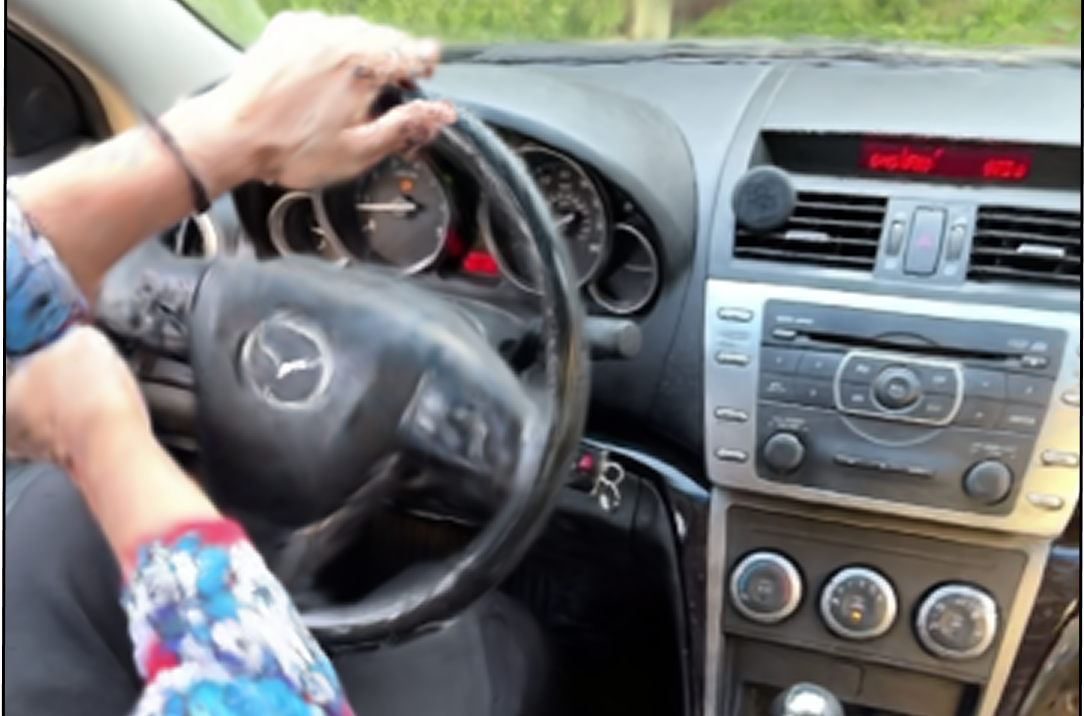
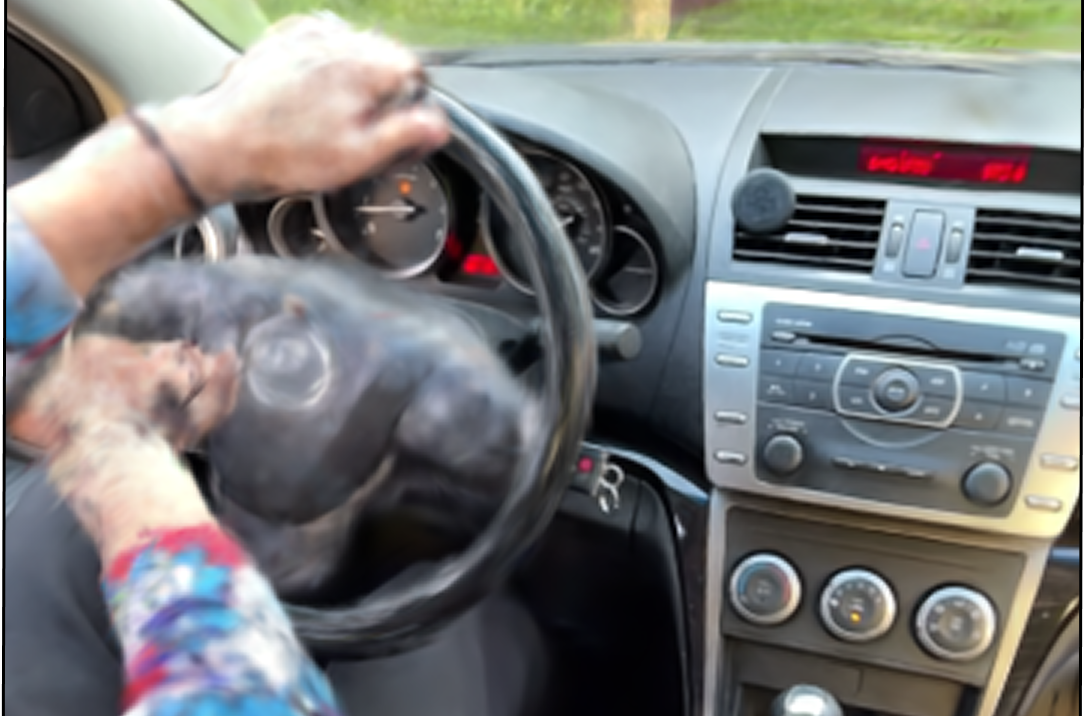
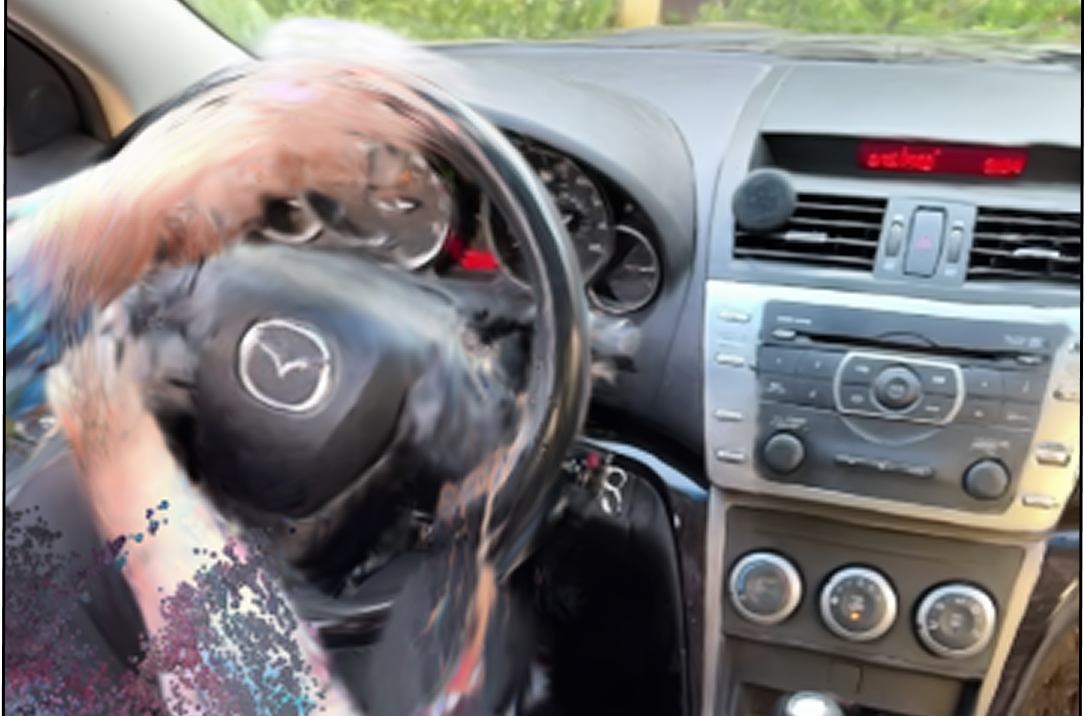
We present MOSAIC-GS, a fully explicit and computationally efficient approach for high-fidelity dynamic scene reconstruction from monocular videos using Gaussian Splatting.
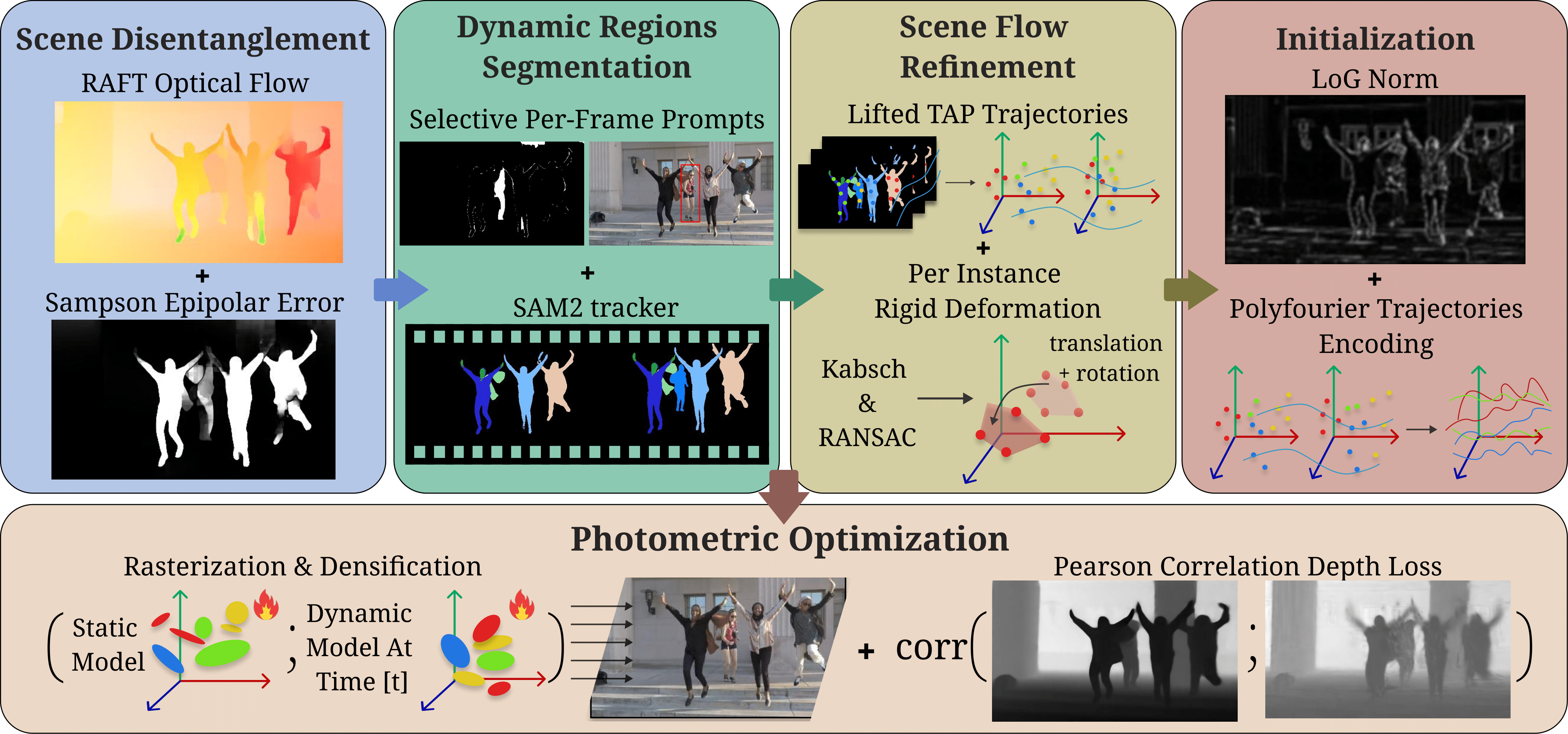
To overcome the ill-posed nature of monocular reconstruction and the lack of multiview constraints, we leverage a suite of geometric cues—including depth, optical flow, dynamic segmentation, and point tracking.
By integrating these with rigidity-based motion constraints, we estimate 3D scene dynamics during an initialization stage, reducing the reliance on ambiguous visual appearance for motion inference.
To ensure real-time rendering and compact motion encoding, the scene is disentangled into static and dynamic components.
Trajectories in the dynamic partition are represented as time-dependent Poly-Fourier curves, enabling parameter-efficient support for non-rigid deformations.
MOSAIC-GS achieves significantly faster optimization and rendering speeds compared to existing methods, while maintaining reconstruction quality on par with state-of-the-art monocular dynamic scene benchmarks.
The main contributions of our work can be summarized as follows:
- Advanced Pre-processing: A framework for dynamic Gaussian Splatting that accelerates training and improves reconstruction fidelity.
- Robust Monocular Pipeline: An integrated system for precise dynamic object detection and tracking across video sequences.
- Trajectory Refinement: A novel method for extracting and optimizing 3D motion using per-instance rigidity constraints.
- State-of-the-art Efficiency: High-speed training and inference achieved through scene disentanglement, compact deformation representation, and accurate motion initialization.